
Guides9 min
Beginner Route: First Floors in Vampire Crawlers
A safe opening path for learning first-person dungeon movement, early cards, gem pickups, and when to dig to the next floor.
starterroutegems
Official screenshot-led strategy hub
Master the turn-based Vampire Survivors deckbuilder with practical routes, card-order notes, weapon evolution plans, crawler builds, boss tactics, and searchable data.
Start with the beginner route, then check Turboturn card order before choosing upgrades. Use boss pages when a run is about to enter an elite room, and use gear and build pages when a reward asks you to commit to damage, armor, gems, or weapon evolutions.
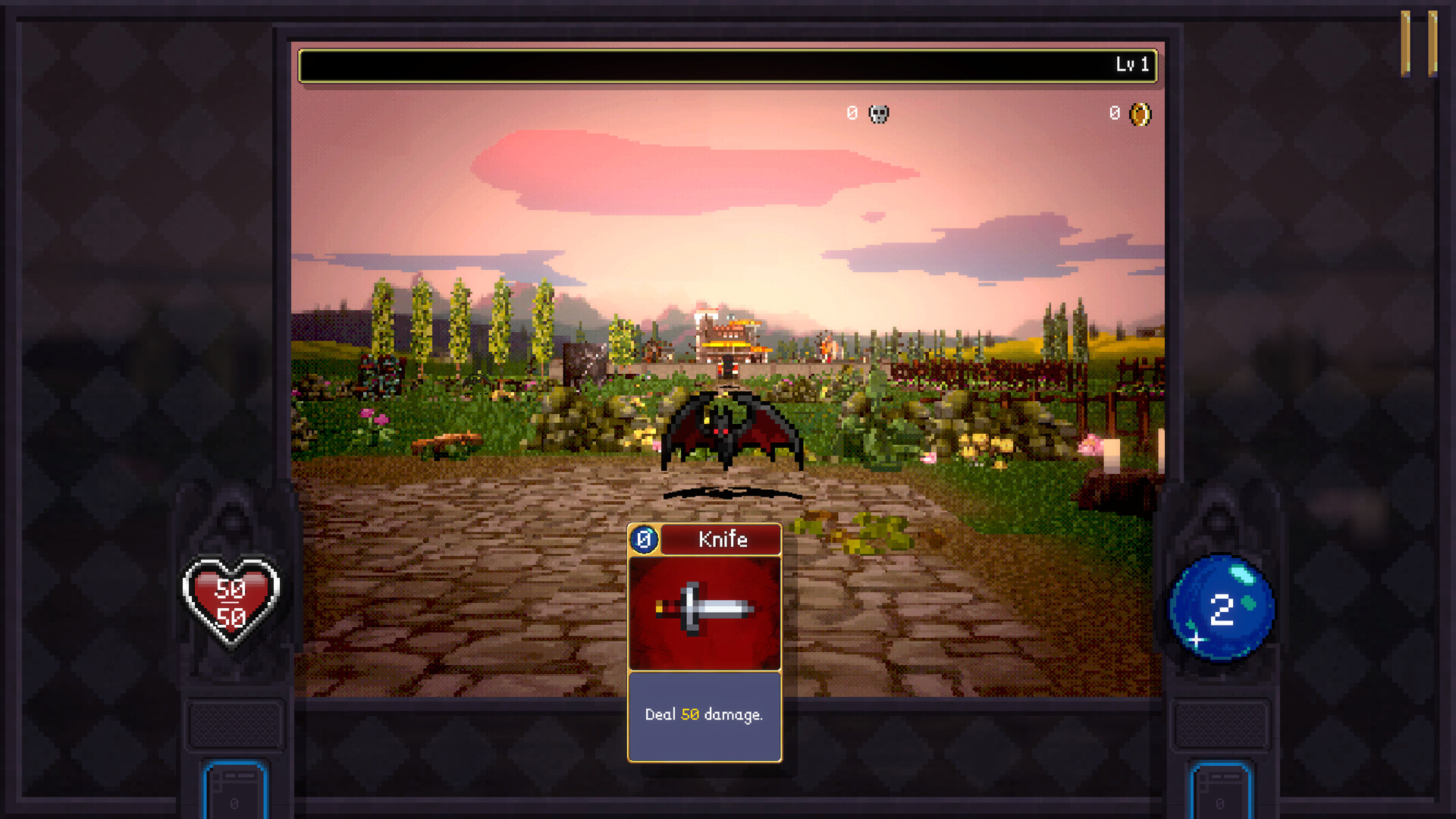

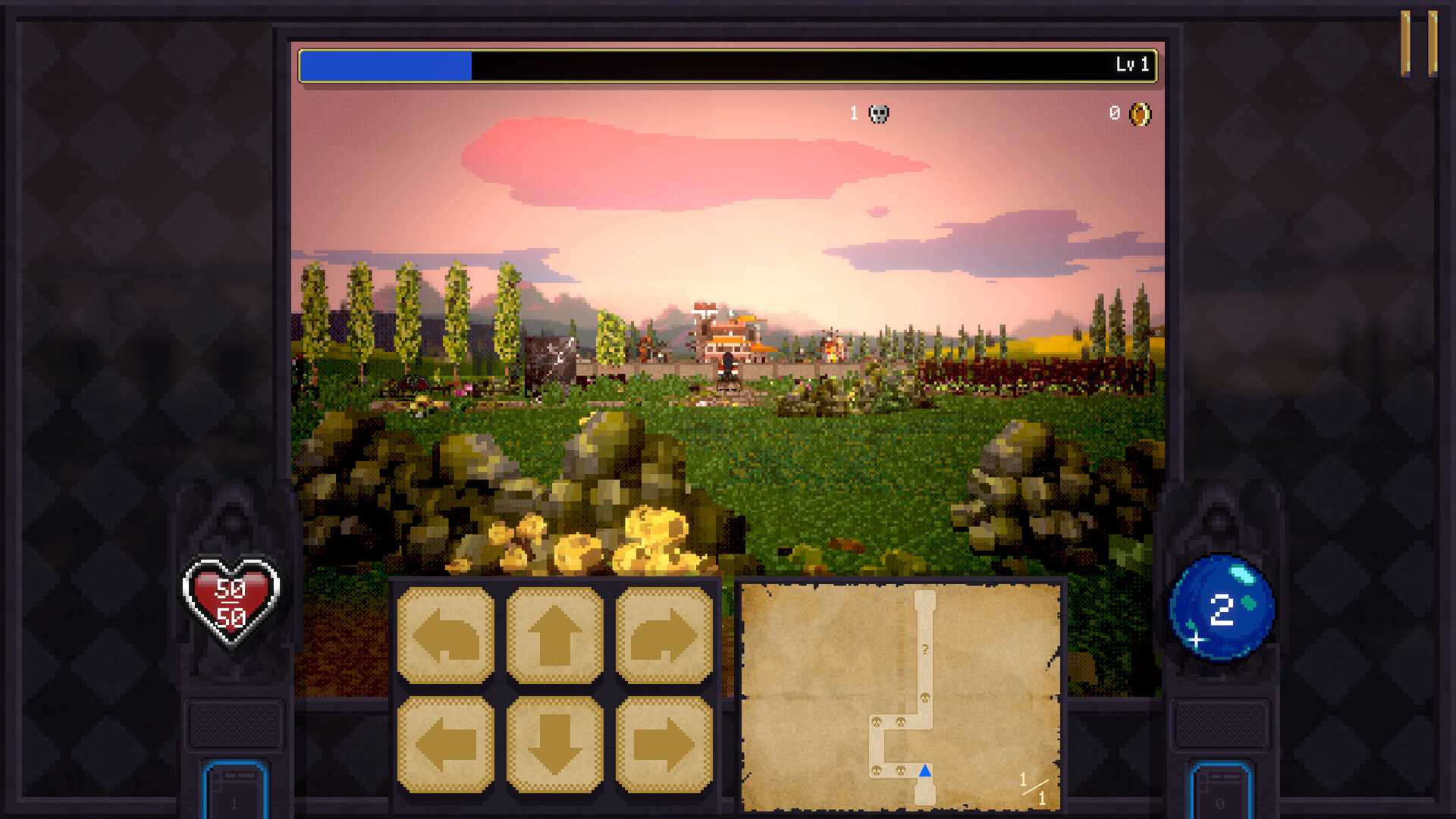
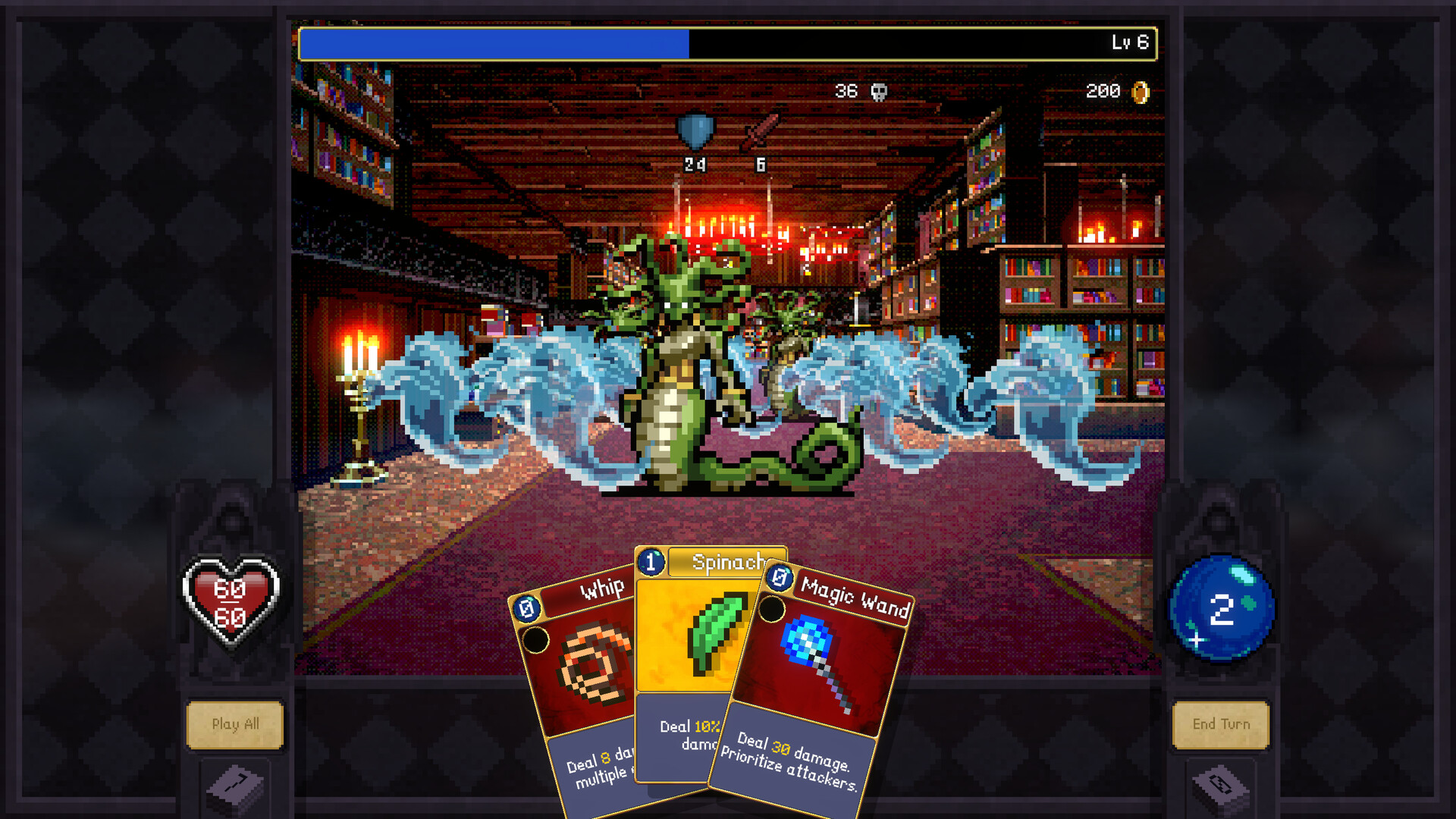
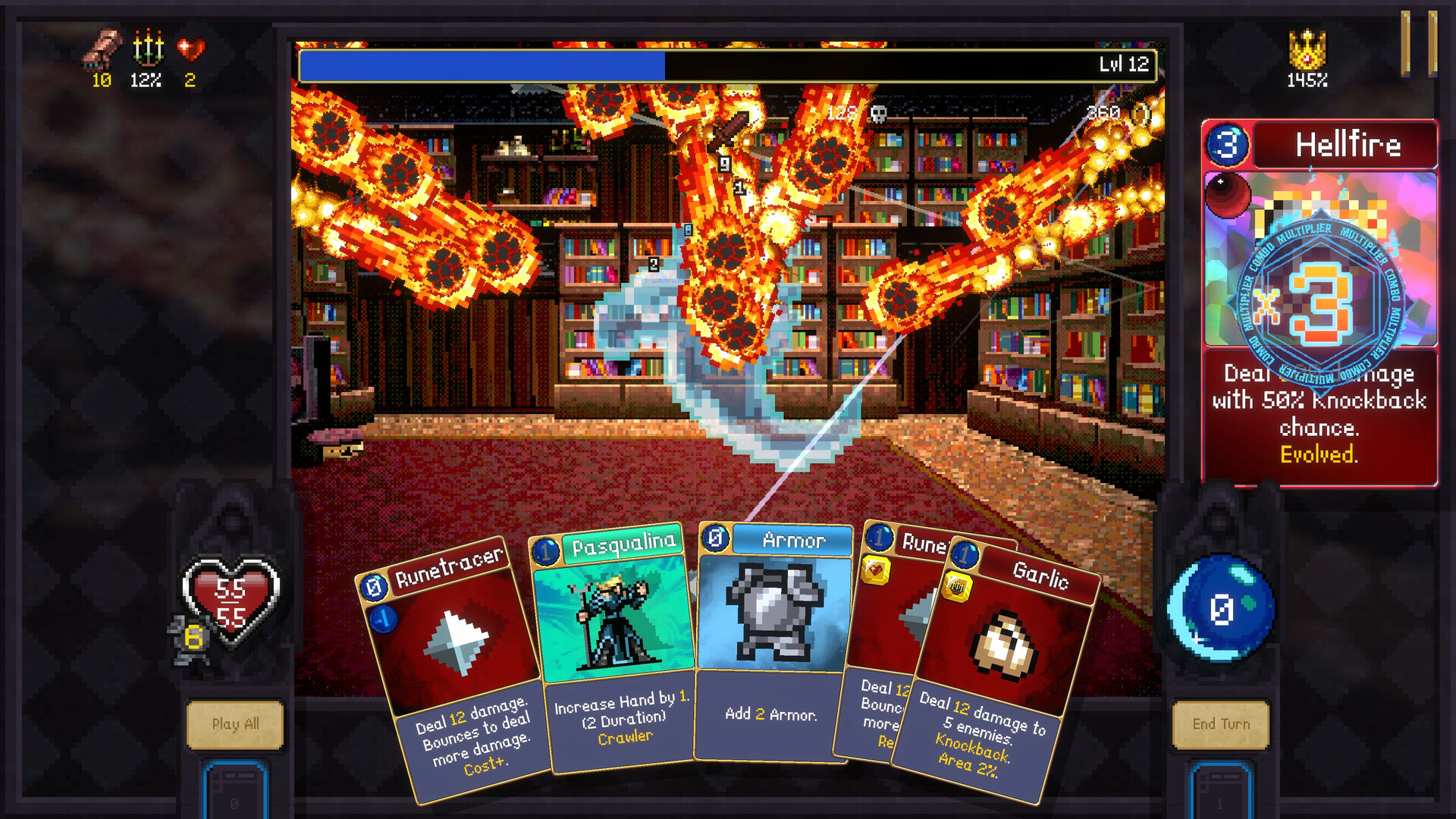
A safe opening path for learning first-person dungeon movement, early cards, gem pickups, and when to dig to the next floor.
A low-cost damage card that keeps early Turboturn chains legal and gives starter decks a reliable opener.

A route built around wide enemy packs, Runetracer-style bounces, and evolved card payoff turns.

The first real check of whether your deck has defense, a legal chain, and one reliable burst turn.
A practical cleanup checklist for keeping draw quality high after chests, gems, and survivor-card rewards.
Push deeper only when your deck can survive one bad draw and still build a legal combo next turn.
A scaling route that rewards clean card order and careful gem spending.
A bounce-damage card that becomes excellent when enemies are aligned and the mana curve can reach it.
How to enter a late boss with enough defense, draw quality, and one planned evolution payoff.
Clear floor order, chest decisions, shovel timing, and detail pages keep long guide content easy to scan.
The site uses official Steam screenshots and store art from Vampire Crawlers instead of generic vampire imagery.
Guides connect card order, gems, armor, evolutions, and dungeon routes instead of listing disconnected tips.
Client-side search filters guides, routes, crawlers, bosses, cards, and gear instantly.
Vampire Crawlers is a first-person, turn-based roguelite deckbuilder connected to Vampire Survivors. It keeps the upgrade chase and character identity, then turns each room into a card-order and route-planning problem.
Beginners should keep the first floor stable: play low-cost cards before expensive cards, protect weak draws with armor, avoid bloated rewards, and leave optional rooms when health or draw quality starts to fall.
Turboturn is the core sequencing idea behind strong turns. The safest pattern is to climb through card costs, preserve Wild cards for real payoff turns, and avoid spending a finisher before the chain is ready.
Read the boss tactic page first, then check the matching crawler guide, build recipe, and dungeon route. That gives you the defensive minimum, burst window, and previous-floor farming decision before the fight starts.
The guide is structured around patch notes, route changes, build recipes, matchups, and searchable mechanics, so important Vampire Crawlers changes can be added without rewriting the whole site.
Vampire Crawlers is a turn-based dungeon crawler for players who like the momentum of Vampire Survivors but want every room, card, and upgrade to become a deliberate choice. Instead of asking you to dodge a screen full of enemies in real time, Vampire Crawlers slows the action into a first-person route where each hand matters. A good Vampire Crawlers run starts with simple questions: which card should open the turn, which enemy must be removed before it attacks, when is armor better than damage, and whether a tempting side room is worth the cost. This Vampire Crawlers guide treats Vampire Crawlers as a decision game first, because the strongest runs usually come from clean sequencing rather than one lucky reward.
The central system in Vampire Crawlers is Turboturn, a card-order rule that rewards careful play. Cards are strongest when the turn climbs through mana costs, builds a stable chain, and saves Wild cards for moments where the payoff is certain. New players often lose Vampire Crawlers runs by playing the biggest card first, spending a Wild too early, or chasing damage before the deck can defend itself. The safer plan is to read the hand, build from low-cost cards, lock in armor before risky enemy waves, and keep the deck thin enough that key cards appear on time. That is why this Vampire Crawlers site links beginner routes, card pages, gear notes, and boss plans together instead of treating them as isolated tips.
A typical Vampire Crawlers route is also about leaving at the right moment. Chests, gems, shrines, and optional rooms can turn a weak deck into a winning one, but they can also pollute the next draw or remove the health buffer needed for an elite fight. The Vampire Crawlers dungeon route pages explain when to explore, when to dig down, and when to accept a modest reward because the next floor is more important. For Vampire Crawlers, route discipline is often the difference between a run that collapses in a noisy hallway and a run that reaches the boss with enough tempo to control the fight.
Build planning in Vampire Crawlers works best when the character, deck, and route all support the same job. Antonio can lean into direct pressure, Imelda rewards spell and scaling choices, and Pasqualina needs positioning and projectile logic to stay efficient. The Vampire Crawlers character guides show how each crawler turns early cards into a clear plan, then the gear pages explain which weapon evolutions, armor pieces, and gem choices reinforce that plan. Vampire Crawlers does not reward collecting every shiny option. It rewards building a deck that draws its best sequence repeatedly, survives bad hands, and still has enough burst to end boss phases before the room gets crowded.
Boss fights are where Vampire Crawlers exposes messy preparation. A deck that looked powerful against normal enemies can fail if it cannot break shields, handle adds, or produce damage during a short burst window. The Vampire Crawlers boss guides focus on those failure points. They describe the turn shape to aim for, the defensive minimum to bring into the room, and the cards that should be saved for phase changes. Reading a Vampire Crawlers boss page before the fight should help you know whether to spend the previous floor farming upgrades, repairing the deck, or pushing straight to the encounter while the run is still fast.
The Vampire Crawlers searchable databases are designed for quick checks during an active Vampire Crawlers session. Card entries summarize cost, role, combo order, weak pairings, and upgrade priority. Gear entries explain which builds want a piece early and which builds should skip it. Route entries highlight floor pacing, resource risk, and boss preparation. Because Vampire Crawlers runs can change direction after a single reward, the site keeps every guide connected to related cards, crawlers, bosses, and dungeon routes. That structure lets you start from a problem, such as low defense or poor burst, and move toward a practical answer without searching through unrelated notes.
For beginners, the best Vampire Crawlers habit is to stabilize before optimizing. Take cards that make the next two fights safer, keep armor available for uncertain draws, and do not force long chains until the deck can support them. For experienced players, the challenge is judging when to take controlled risks: a shrine before a boss, an extra chest before a shovel exit, or a greedy evolution that could define the final build. The Vampire Crawlers advice on this homepage points into deeper pages, but the rule underneath remains consistent. Vampire Crawlers becomes easier when every choice protects the next turn as well as the final build.
This Vampire Crawlers guide is written for mobile-first use, so the important decisions are close to the top of each page, the Vampire Crawlers data pages are filterable, and every major topic links to the next useful step. Use the beginner route if you are learning the first floors, the Turboturn guide if your hands feel inefficient, the gear database if your upgrades feel random, and the boss pages if a specific encounter keeps ending the run. As Vampire Crawlers changes through patches, the site can keep refreshing route notes, matchups, and build recommendations while preserving the core goal: helping players make cleaner decisions inside the dungeon.
Take a break between dungeon runs with 100+ embedded HTML5 games, from racing and puzzles to cards, mahjong, and arcade challenges.
Browse all games

