Walkthrough Notes
What Turboturn solves
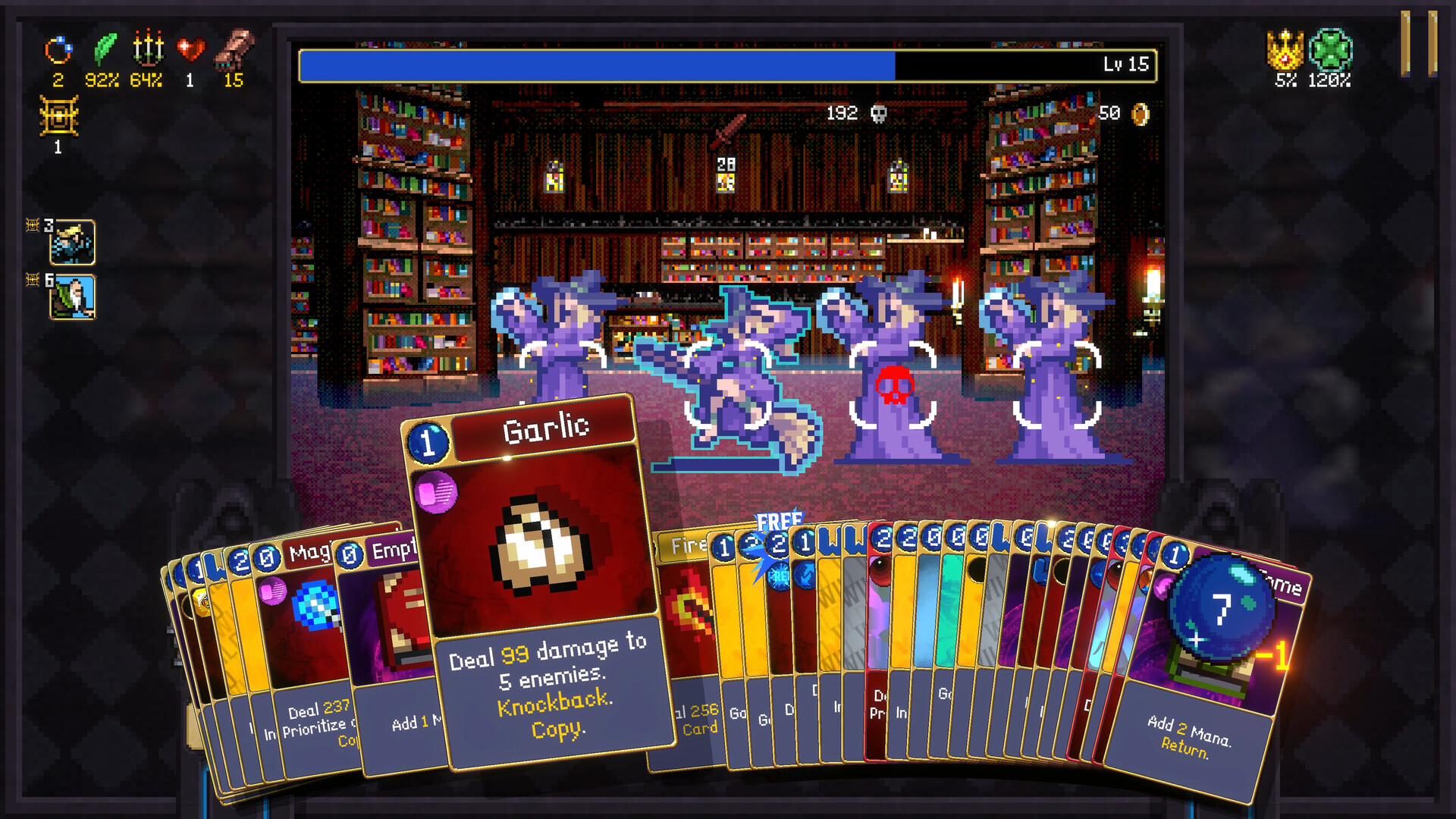
Turboturn solves the biggest problem in Vampire Crawlers: a hand can contain good cards and still produce a bad turn. The mechanic rewards sequencing, not just card quality. A low-cost opener starts the line, defense protects the weak middle, and payoff cards close the room once the chain is stable.
- Start with useful low-cost cards.
- Use defense before an enemy wave can punish the draw.
- Close with payoff cards only after the chain has value.
Wild card discipline
Wild cards are not free value. They are tempo insurance. Spend them when the next card changes the fight, fixes armor, or converts a boss window into lethal damage. If the Wild only makes a mediocre turn look larger, save it for a hand that actually needs the bridge.
- Use Wilds to bridge a missing cost step.
- Save Wilds when the payoff is only cosmetic damage.
- Spend Wilds before boss phase changes only if the result is decisive.
Deck curve and reward choices
A strong Turboturn deck has enough cheap cards to begin turns, enough mid-cost cards to bridge the curve, and only enough finishers to end fights. Every reward should be judged by how it changes the next five hands. If it makes the best hand better but the average hand worse, it is probably a trap.
- Protect the number of playable opening cards.
- Avoid too many finishers in the same cost band.
- Upgrade cards that appear in the first half of the chain.
Boss-ready sequencing
Boss fights make Turboturn discipline visible. Shield windows, adds, and short burst phases punish players who spend cards in the wrong order. Before a boss, the deck should know whether the first turn is defensive, control-focused, or burst-focused, and the route should have supplied the cards to support that answer.
- Plan the first boss turn before entering the room.
- Keep one answer for shields or adds.
- Do not spend burst before the boss is exposed.
Common mistakes
- Opening with the largest damage card instead of the cheapest useful card.
- Treating Wild cards as automatic value instead of bridge tools.
- Adding too many finishers and losing the first two cost steps.